

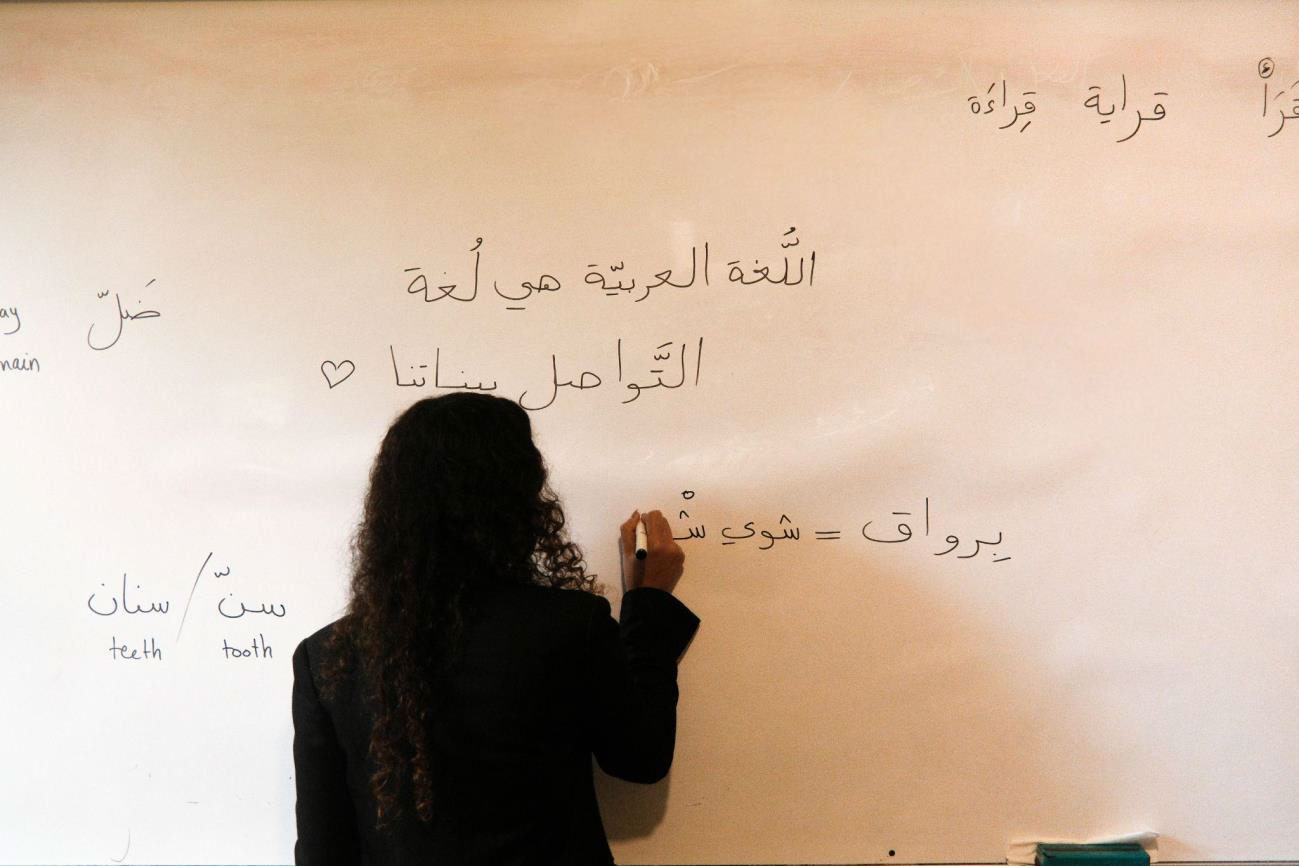
Learning Arabic is an exciting journey into one of the world’s richest languages and cultures. From its expressive sounds to its deep historical roots, Arabic offers learners a unique opportunity to connect with millions of people across the Middle East and beyond.
However, for speakers of Latin-based languages such as English, French, or Spanish, the process can sometimes feel overwhelming. Arabic has a different writing system, new sounds, and regional dialects that can make early progress seem slow.
The key is consistency, patience, and using learning methods that mirror real communication. With the right approach, it is possible to build confidence in spoken Arabic much faster than you might expect.
Here are five practical tips that can help accelerate your Arabic learning journey.
1. Don’t Be Afraid to Make Mistakes
One of the biggest obstacles language learners face is the fear of speaking incorrectly. Many students hesitate to practice Arabic with native speakers because they worry about saying something wrong.
In reality, making mistakes is one of the most effective ways to improve. Native speakers generally appreciate the effort and are often happy to help correct and guide learners.
Regular conversation practice allows students to develop their listening skills, improve pronunciation, and gain confidence using Arabic naturally in everyday situations.
Students who want to build speaking confidence often benefit from structured classes focused on spoken Lebanese Arabic and real-life communication, which are part of the different Arabic language courses available at Saifi.
(link “Arabic language courses available at Saifi” → Available Courses page)
2. Immerse Yourself in Lebanese Culture
Language and culture are deeply connected. One of the most effective ways to improve your Arabic listening skills is to surround yourself with authentic cultural content.
Watching Lebanese social media creators, listening to Arabic music, or following subtitles while watching interviews and shows can help train your ear to recognize common expressions and pronunciation patterns.
Even small everyday interactions such as ordering food or greeting people in Arabic can reinforce what you learn and make the language feel more natural.
Participating in local cultural experiences and student activities in Lebanon can also help learners connect the language with everyday life while discovering Lebanese food, music, and traditions.
(link “student activities in Lebanon” → Student Activities page)
3. Connect Vocabulary to Real-Life Context
Memorizing vocabulary lists can be useful, but words are remembered more easily when they are connected to real experiences.
For example, if apples are your favorite fruit, learning the word “teffaa7ah” (apple) becomes easier when you associate it with something meaningful in your life. Context helps the brain retain new vocabulary more efficiently.
Language learning is most effective when vocabulary appears within real conversations, stories, and daily-life situations rather than isolated memorization.
4. Set Small Goals and Celebrate Progress
Arabic can seem like a huge challenge when viewed as a whole. Instead of focusing on everything you still need to learn, try setting small, achievable goals.
For example:
- Introducing yourself in Arabic
- Asking someone for directions
- Ordering food at a restaurant
- Having a short conversation with a local
Each small success builds confidence and motivation. Over time, these small milestones add up to significant progress.
5. Practice Translating Your Thoughts Into Arabic
Many learners translate Arabic words into their native language. While this can help at the beginning, a powerful technique is to reverse the process.
Throughout the day, try translating simple thoughts or sentences from your native language into Arabic. For example:
- “I’m hungry.”
- “Where is the nearest café?”
- “What are you doing today?”
This exercise helps train your brain to think in Arabic rather than constantly translating from it.
A Language That Opens New Doors
Learning Arabic can open the door to meaningful connections, travel experiences, and a deeper understanding of the Middle East.
Whether you are learning Lebanese Arabic or Modern Standard Arabic, consistent exposure and real conversation practice are key to building fluency.
If you already know some Arabic but aren’t sure what level you are, you can start by taking a free Arabic language level evaluation to determine the best starting point for your studies.
